Guide
Why hire a photographer for your ribbon cutting
The ceremony lasts about ninety seconds. What you do with the photographs afterwards is what actually decides whether hiring somebody was worth it.

01
The ceremony is ninety seconds. The photos work for years.
A ribbon cutting is short, and that is exactly why it is worth photographing properly. The ceremony ends when the ribbon does. The photographs keep working long after it, on your website, your Google profile, your next few posts, and in whatever the local paper or the chamber newsletter runs.
A phone photo covers the moment. It does not cover the next three years of reusing it.
02
It is proof, not just decoration
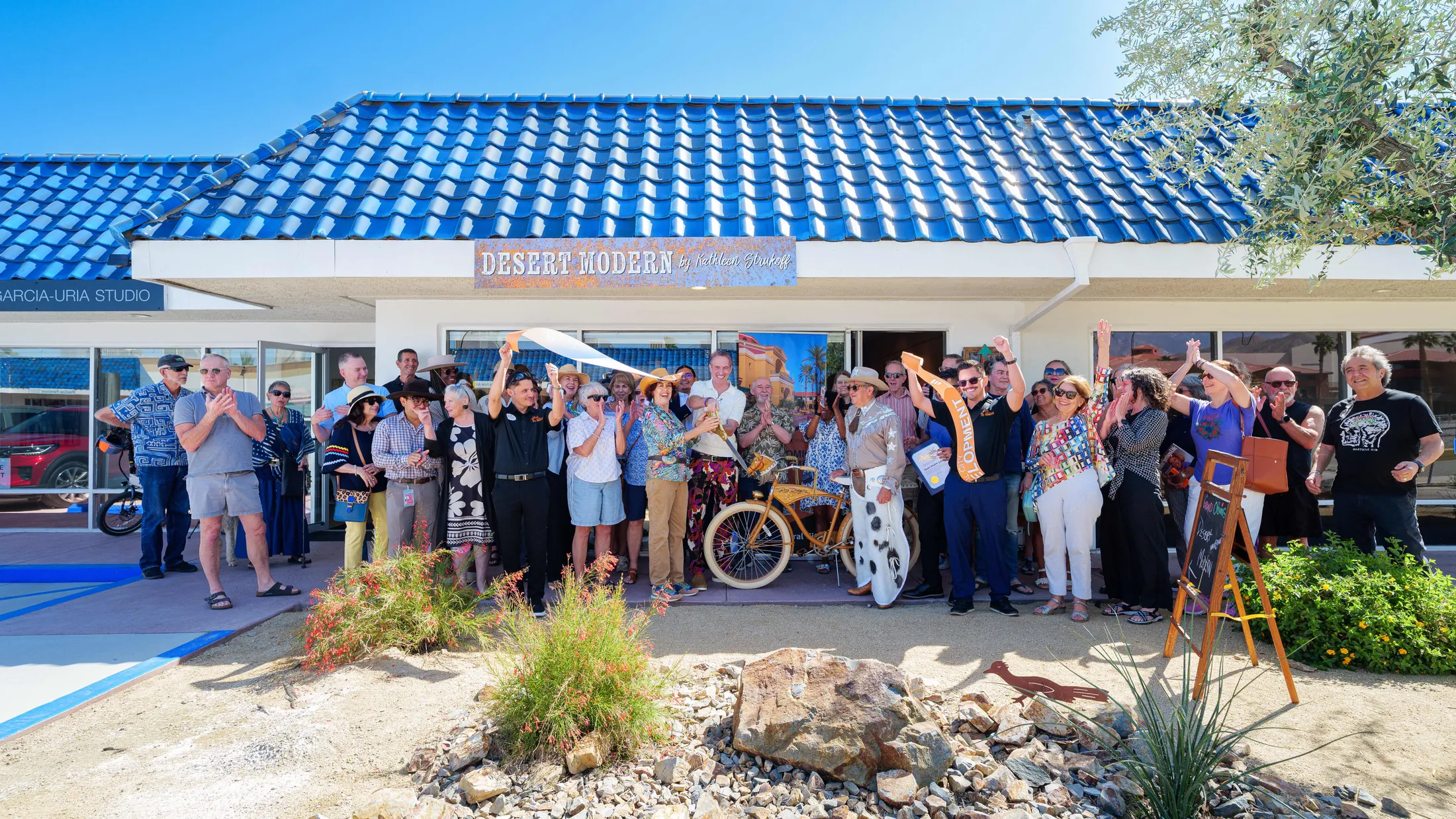
A ribbon cutting photograph is one of the few images a business gets that says plainly, we are open, in this place, on this day, with the people who made it happen standing behind it. Customers, lenders and partners tend to read that as evidence rather than marketing.
That is a different job from a nice picture. It is the kind of image that gets pulled back out for a one year anniversary post, a loan application, or a chamber feature, sometimes long after the ribbon is gone.
03
What a photographer actually adds that a phone does not
None of this is about the photographs being prettier. It is about a handful of specific problems that a phone in somebody's hand cannot solve.
- Timing: the scissors close on the ribbon for a beat before the cut, so there is an anticipation frame as well as the cut itself, not just a blur
- Editing: color-corrected, cropped and delivered ready to post, not a raw shot with a shadow across someone's face
- Coverage a guest holding a phone will not get: the whole scene, the reactions, the group combinations after
- Usage rights that hold up wherever the business needs them, indefinitely
- Speed: next business day delivery, so the photos are still news when they go out
04
It also signals something to the room
Somebody with a camera at the front is a small practical signal that the business is taking the moment seriously, and it changes how the room behaves. Officials stand a little straighter, the group holds still for the second half of the shot, and the whole thing feels less like a hallway photo and more like an opening.
Chambers, local officials and sponsors generally expect it too. It is a small thing that reads as one more sign the business is established rather than improvised.
05
The honest version of the cost
A ribbon cutting is a flat $200 rather than the hourly rate the rest of event coverage runs at, because the ceremony does not take long and the shot list is short and predictable. That covers arrival, the clean space before guests, the ceremony, the group combinations afterwards, and some candid coverage of the reception.
Set against everything else a grand opening costs, the banners, the signage, the catering, it is a small line for the one thing that keeps being useful after all of it comes down.
06
When you honestly do not need one
If this is a quiet internal moment with no press, no social plan and no intention of using the photographs anywhere afterwards, a phone photo from a colleague is genuinely fine. I would rather tell you that than book something you will not get value from.
Where it stops making sense is any opening with a press release, a sponsor, chamber involvement, or a business that plans to use the images for more than a week. At that point not having usable photographs costs more than the shoot does.
If your opening is small and you are on a tight budget, say so. I would rather help you get something usable than talk you into more than you need.
- Steven
Questions
Why hire a photographer for your ribbon cutting: common questions
Do I really need a photographer for a ceremony that lasts a few minutes?
If the photos are only for a personal memory rather than anything public, a phone is honestly fine, and I would say so. Once they are going anywhere public, your website, social, a press release, a chamber newsletter, a professional set is worth the flat $200, mostly because a phone photo rarely survives being blown up or printed.
What's included in the ribbon cutting rate?
Arrival and setup, the clean space before guests arrive, the ceremony itself, group combinations afterward, and some candid coverage of the reception. It is $200 flat for 30 minutes to an hour, with photos delivered the next business day.
Can we use the photos for press and social media?
Yes. You get full rights to use the images anywhere the business needs them, indefinitely: your website, social accounts, press releases, print. I own the copyright, which is standard in photography, but the license to use them is yours and does not expire.
What if our opening is bigger than a quick ribbon cutting?
Then it is priced as a grand opening rather than a ribbon cutting, at the standard hourly rate, with 1 to 2 hours being typical. Tell me what the day actually involves and I will suggest the coverage that fits it rather than defaulting to a bigger package.
What areas do you cover?
The whole Coachella Valley. I shoot regularly in Palm Springs, Palm Desert, La Quinta, Rancho Mirage, Indio, Cathedral City, and Desert Hot Springs, and I am happy to travel anywhere in the valley at no extra charge. There is a page for each city and service below with the details for that area.
- Real Estate in Palm Springs
- Real Estate in Palm Desert
- Real Estate in La Quinta
- Real Estate in Rancho Mirage
- Real Estate in Indio
- Real Estate in Cathedral City
- Real Estate in Desert Hot Springs
- Events in Palm Springs
- Events in Palm Desert
- Events in La Quinta
- Events in Rancho Mirage
- Events in Indio
- Events in Cathedral City
- Events in Desert Hot Springs
- Headshots in Palm Springs
- Headshots in Palm Desert
- Headshots in La Quinta
- Headshots in Rancho Mirage
- Headshots in Indio
- Headshots in Cathedral City
Ready when you are
Ten years of shoots across the Coachella Valley. If you would rather talk it through than read another list, that works too.
Check event availabilityKeep reading
- How to plan a ribbon cutting that photographs wellThe ceremony itself lasts about ninety seconds. Almost everything that decides whether the photographs are any good happens before it starts.
- How many hours of event photography do you need?Booking too few hours is the thing I see go wrong most often. The part that gets cut is almost always the part you wanted, so here is how to work out the number before you book.
Let's plan your shoot
Let's get your shoot started.
Pick what you need photographed and add your name and email. That is all I need to reply, usually within one business day.