Guide
Day-to-dusk photo conversion, explained for agents
It is an edit, not a second shoot. That is why it costs sixty five dollars instead of two hundred, and why it is worth understanding before you order it.
01
What you are actually buying
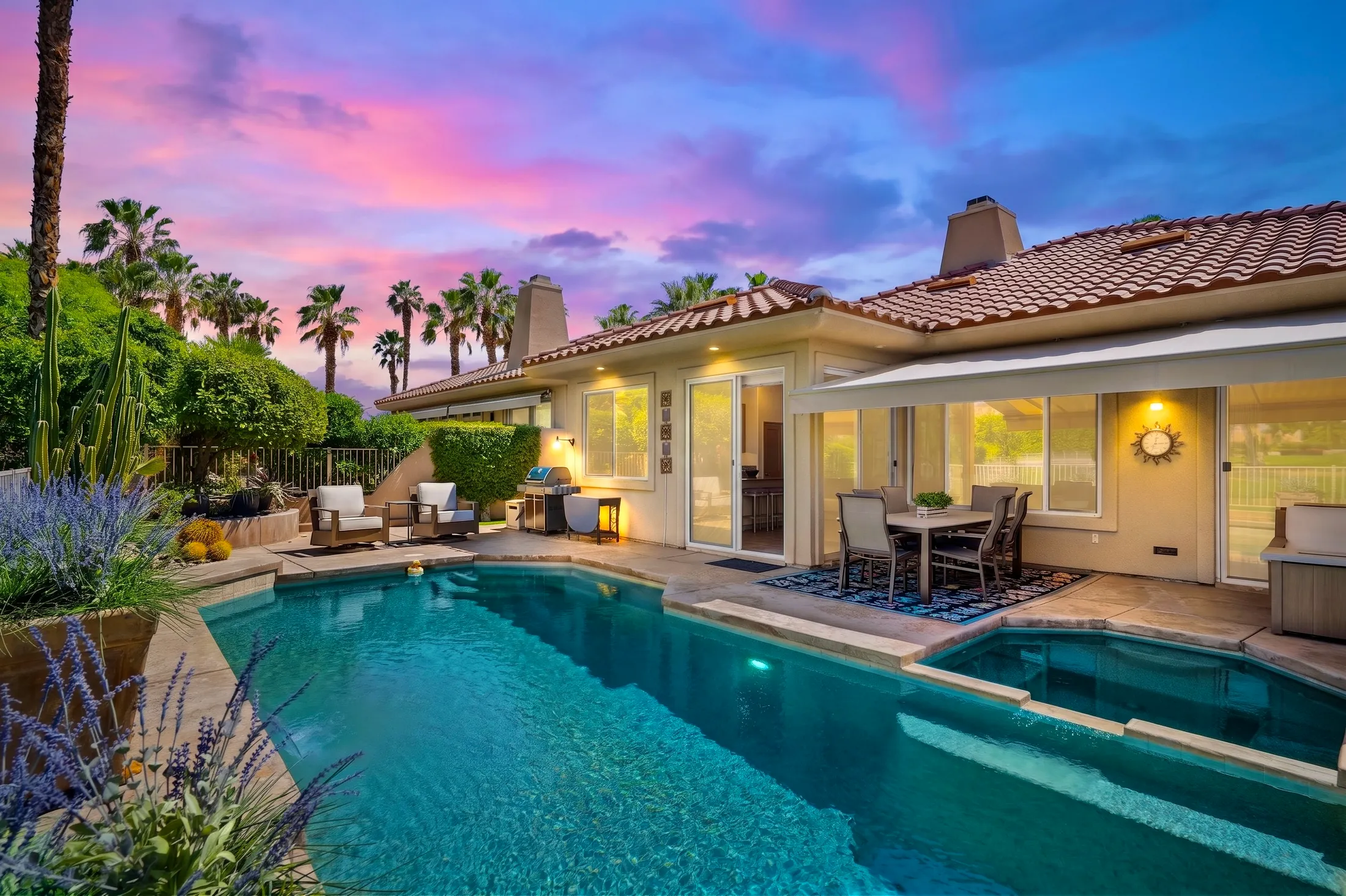
A day to dusk conversion is a frame you already own, relit. I take a daytime photograph from your shoot and rebuild the time of day in it. The sky goes, the windows come up warm, the landscape lighting switches on, the pool starts glowing from underneath, and the whole thing cools into blue hour or warms into a low sun depending on which you asked for.
So it is retouching, not a second appointment. That is the entire reason it costs $65 rather than $200, and the reason I would rather say it plainly than have you work it out later.
02
When it earns the money
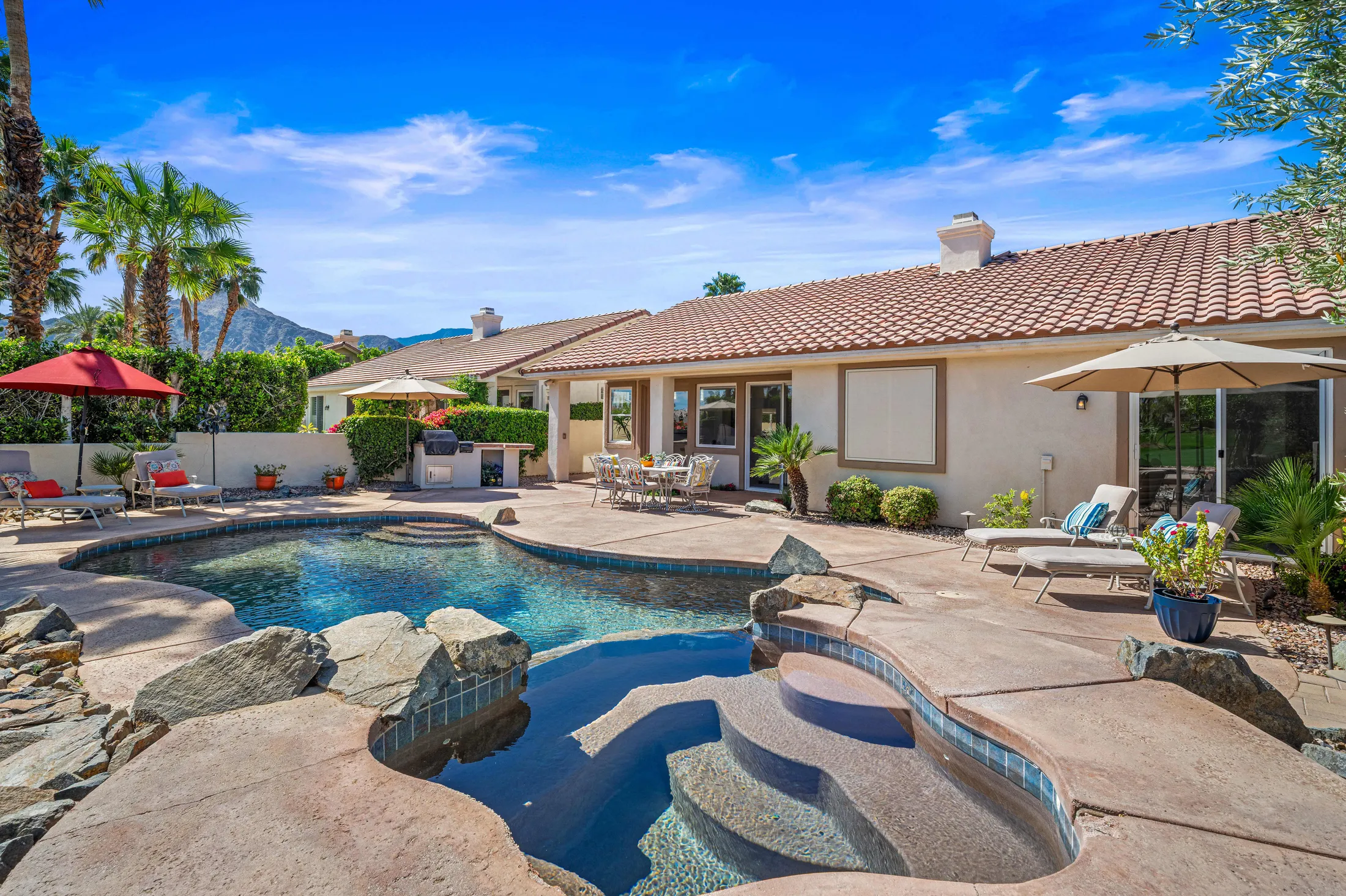
The conversion does its best work on frames where the light on the day was the only thing holding the photograph back.
- A west-facing frontage you had to shoot in the morning, so the facade sat in its own shadow
- A backyard where the pool, the lighting and the mountain line are all in one frame
- Any house with real exterior lighting, which is what gives a converted frame something true to switch on
- Aerials, where flat overhead light is the one problem the drone cannot solve on the day
- A listing going live in summer, when the honest twilight window is 8pm and nobody wants that appointment
03
When I will tell you to skip it
A frontage that is mostly roof and driveway with a sliver of sky above it gives the conversion almost nothing to work with. The sky is where most of the effect lives, and if the sky is a strip, you are paying $65 to change a strip.
Same with a house that has no exterior lighting at all. A converted twilight frame of an unlit house just reads as a dark house, which is not the feeling anyone is buying. And if a frame already came out of good low angle light, leave it alone. It is already doing the job.
04
Conversion versus a real twilight visit
Both are on the menu and they are not the same thing. The twilight add on is me coming back and standing in your driveway for the twenty minutes after sunset, so the light in the file is the light that was actually there. The conversion happens afterwards, at a desk.
On a property with strong landscape lighting, glass onto the yard and a lit pool, the real visit still makes the better photograph and I will say so when I see the house. On most other listings the conversion gets close enough at a third of the price, with no second appointment to arrange around a tenant.
There is a scheduling argument people underrate too. A real twilight slot is a fixed twenty minutes on a particular evening. A conversion is a line in an email.
05
Interiors are the part agents forget
Most people hear day to dusk and picture the front of a house. The interiors are quietly the better trick, because a bright midday interior and a warm evening interior sell two different things. One shows you the square footage. The other shows you what a Tuesday night in that room feels like.
Converted interiors pull the daylight back, warm the walls off that cool white, and let the lamps read as lamps rather than as fixtures that happen to be switched on. It works best in rooms with a real light source in frame and a window doing something.
06
The disclosure part, which is not a problem
Check your own MLS rules, because most boards ask you to note digitally enhanced photography, and a day to dusk frame is a materially altered image by any fair reading of that. The usual requirement is a line in the listing remarks. That is the whole obligation.
Worth doing properly rather than hoping. The downside of an undisclosed altered photo is a compliance conversation with your board. The downside of disclosing it is a sentence nobody reads. I flag which files were converted when I deliver them, so you always know which ones the note covers.
Keeping the daytime original in the gallery alongside the converted frame is the other habit worth having. It is honest, it costs nothing, and it gives a buyer the version of the house they will see when they turn up.
07
How to order it
The order runs backwards from what people expect, and that is on purpose. I shoot the property as normal first. Your gallery lands on the usual 24 to 48 hour turnaround. Then you pick.
Send me the frame numbers you want converted and which look you are after, twilight, sunset or sunrise. They come back within 24 hours, flagged so you know which files the MLS note covers. Choosing off the delivered gallery rather than on booking day means you are picking from photographs you have actually seen.
Once your gallery lands, send me the file numbers you want converted and they will be back within a day.
- Steven
Questions
Day-to-dusk photo conversion, explained for agents: common questions
How much does a day-to-dusk conversion cost?
It is $65, added to any listing shoot, and you choose which photos get it once the gallery is delivered. That compares to $200 for the twilight add-on, which is a real second visit in the twenty minutes after sunset rather than an edit.
Can you convert photos from a shoot I booked with someone else?
Usually not, and it is a copyright question rather than a technical one. Whoever took the photograph owns it, and converting somebody else's file needs their permission. If you own the rights outright, send them over and I will take a look.
Will a buyer be able to tell?
On a well-chosen frame, no. On a badly chosen one, yes: a house with no exterior lighting, or a sky that was only ever a sliver, gives it away. That is most of why I would rather pick the frames with you than convert whatever gets sent.
Do I have to disclose it on the MLS?
Most boards ask you to note digitally enhanced photography, so check your local rules and expect the answer to be yes. It is a line in the listing remarks. I flag which files were converted at delivery so you know which ones it applies to.
Can you do sunrise instead of sunset?
Yes. Sunrise runs cooler and quieter than sunset, and it suits east-facing frontages, where a sunset conversion would be putting the warm light on the wrong side of the house.
What areas do you cover?
The whole Coachella Valley. I shoot photography regularly in Palm Springs, Palm Desert, La Quinta, Rancho Mirage, Indio, Cathedral City, and Desert Hot Springs, and I am happy to travel anywhere in the valley at no extra charge. There is a page for each city below with what changes there and what it means for your photos.
- Real estate photography in Palm SpringsMid-century architecture, downtown condos and a tourism economy that runs year round.
- Real estate photography in Palm DesertEl Paseo, country clubs and a professional base that skews established.
- Real estate photography in La QuintaTwo markets in one city: the Cove against the mountains, and the golf clubs to the south.
- Real estate photography in Rancho MirageLarge lots, country clubs and a concentration of medical and philanthropic organisations.
- Real estate photography in IndioThe valley's largest city by population, with a faster-moving and more family-driven market.
- Real estate photography in Cathedral CityBetween Palm Springs and Rancho Mirage, with a working commercial corridor and a growing arts presence.
- Real estate photography in Desert Hot SpringsThe valley's north end: natural mineral water, spa rentals and long views back across to San Jacinto.
- Event photography in Palm SpringsMid-century architecture, downtown condos and a tourism economy that runs year round.
- Event photography in Palm DesertEl Paseo, country clubs and a professional base that skews established.
- Event photography in La QuintaTwo markets in one city: the Cove against the mountains, and the golf clubs to the south.
- Event photography in Rancho MirageLarge lots, country clubs and a concentration of medical and philanthropic organisations.
- Event photography in IndioThe valley's largest city by population, with a faster-moving and more family-driven market.
- Event photography in Cathedral CityBetween Palm Springs and Rancho Mirage, with a working commercial corridor and a growing arts presence.
- Event photography in Desert Hot SpringsThe valley's north end: natural mineral water, spa rentals and long views back across to San Jacinto.
- Headshot photography in Palm SpringsMid-century architecture, downtown condos and a tourism economy that runs year round.
- Headshot photography in Palm DesertEl Paseo, country clubs and a professional base that skews established.
- Headshot photography in La QuintaTwo markets in one city: the Cove against the mountains, and the golf clubs to the south.
- Headshot photography in Rancho MirageLarge lots, country clubs and a concentration of medical and philanthropic organisations.
- Headshot photography in IndioThe valley's largest city by population, with a faster-moving and more family-driven market.
- Headshot photography in Cathedral CityBetween Palm Springs and Rancho Mirage, with a working commercial corridor and a growing arts presence.
Ready when you are
Ten years of shoots across the Coachella Valley. If you would rather talk it through than read another list, that works too.
Add it to your shootKeep reading
- Virtual staging for listings, including homes already shotFurniture added to a photograph you already own. Fifty dollars an image, back within a day, and the same price whether I took the photo last week or somebody else took it last year.
- What real estate photography costs, and whyAgents ask me this before anything else, so here is the whole answer, including the parts that do not flatter my own pricing.
Let's plan your shoot
Let's get your shoot started.
Pick what you need photographed and add your name and email. That is all I need to reply, usually within one business day.